
The Thrill of Risk and Reward
High-stakes casino games are designed to provoke intense emotions, primarily fueled by the thrill of risk and the potential for significant rewards. The psychological aspect of gambling revolves around the excitement derived from uncertainty, which often leads players to confront their own risk tolerance levels. When individuals engage in high-stakes gambling, they may be tempted to explore online casinos for new experiences, motivated by the allure of large payouts that can trigger a rush of adrenaline that enhances their overall experience.
This thrill-seeking behavior is tied to the brain’s reward system. The neurotransmitter dopamine plays a crucial role in how we experience pleasure. When a player wins, the brain releases dopamine, reinforcing the behavior and encouraging more play. This cycle can create a powerful urge to continue gambling, even when the odds are not in their favor, highlighting the complexities of human psychology in high-pressure environments.
The Role of Cognitive Biases
Cognitive biases significantly influence how players perceive their chances of winning in high-stakes casino games. One such bias is the illusion of control, where gamblers believe they can influence outcomes through their actions, such as choosing specific numbers or cards. This belief can lead to overconfidence, prompting players to take more significant risks than they might otherwise consider. Understanding these biases is essential for recognizing the psychological traps that can ensnare even the most rational players in the high-stakes environment.
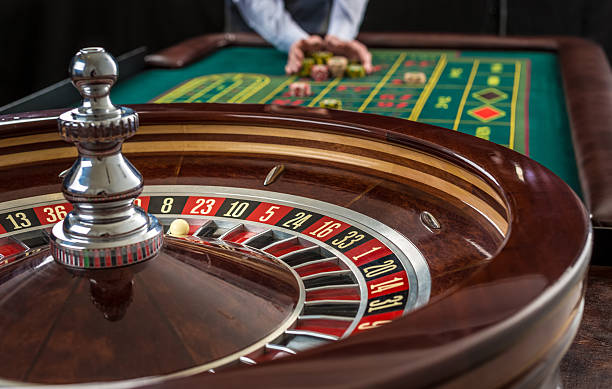
Additionally, another common bias is the gambler’s fallacy, where individuals think that past events affect future probabilities. For instance, a player might believe that a roulette wheel is “due” for a red after a streak of blacks, which can lead to poor decision-making and increased betting. These thought patterns can essentially shape one’s gaming experience significantly.
Emotional Investment and Decision-Making
Emotional investment in a game can cloud judgment and skew decision-making processes. High-stakes environments amplify this effect as players become emotionally charged with the potential to win or lose substantial amounts of money. This emotional rollercoaster can create a sense of urgency, leading individuals to act impulsively rather than rationally. The pressure of the moment can make it difficult for players to stick to their original strategies, often resulting in erratic choices fueled by heightened emotions.
Cognitive dissonance also plays a role in this emotional investment. When players experience losses, they may rationalize their decisions to alleviate the psychological discomfort associated with their choices. This can lead to a dangerous cycle where individuals chase their losses, hoping to recoup their investments, thereby increasing their emotional involvement and risking even more significant losses in the process.
The Social Dynamics of High-Stakes Gambling
High-stakes casino games also foster social dynamics that can affect player behavior and psychology. The competitive atmosphere, combined with the presence of onlookers and fellow gamblers, can amplify emotions, leading to an environment where players may feel pressured to perform or impress others. This social aspect can lead to increased betting and risk-taking, as individuals strive to maintain their status among peers.
Additionally, the interaction with dealers and other players can create a sense of camaraderie that enhances the overall experience. Players often share strategies, discuss outcomes, and celebrate wins together, creating a community around high-stakes gambling. However, this social environment can sometimes mask negative behaviors, leading to a culture that encourages excessive gambling without adequate attention to the risks involved.
Enhancing Professional Growth and Learning at New Horizons
Understanding the psychology behind high-stakes casino games can be beneficial for various professional fields, from psychology to business management. If you’re interested in exploring cognitive behaviors and decision-making processes further, New Horizons Learning Centres offers a multitude of courses designed to enhance your understanding of these topics. With over 500 courses available, you can find specialized training that aligns with your professional aspirations, ensuring you are well-equipped for success in today’s competitive landscape.
Whether you’re looking to delve deeper into psychological principles, improve your business acumen, or develop career skills, New Horizons is committed to helping you achieve your educational and professional goals, while ensuring you’re ready for new challenges ahead.